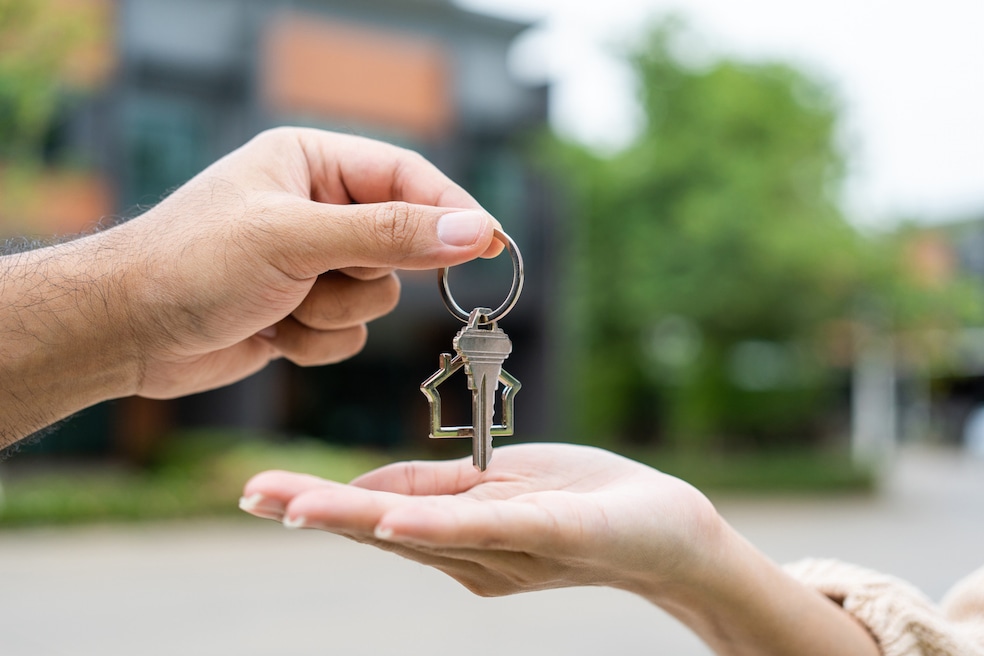
There are many factors to consider when determining whether to buy or rent a home.
For instance, cost is an issue. When home prices are soaring, renting can be cheaper than buying. You want to think carefully about how much you can afford and other housing market trends, including mortgage rates.
The choice also depends on your lifestyle, future goals and how long you plan to stay in the house. Let Homes.com guide you through the process.
Rising cost of homeownership
The first step in determining the best path is to look at the numbers.
Buying a home is becoming increasingly difficult for people in the market for the first time.
The national median home price in September 2025 was $385,000, according to Homes.com data. That’s over $7,000 more than the same month in 2024, representing a 2% year-over year price change. Moreover, median mortgage payments for 1.5 million homeowners surveyed by the Census Bureau at the end of 2024 was $2,225, about 20% higher than in 2021.
Meanwhile, the average rent payment in October 2025 was $1,630, according to Apartments.com, Homes.com's multifamily housing affiliate. That's $470 less than the average mortgage payment.
When you buy and begin to pay off your mortgage, you build equity in the property, a kind of savings. That doesn't happen when you rent. And rent prices are also increasing. According to the latest Consumer Price Index report by the U.S. Bureau of Labor Statistics, rent rose by 0.4% between July and August 2025.
Still, first-time homebuyers often experience a bit of sticker shock.
“You've got people who by and large have probably saved quite a bit if they're looking to buy a home,” said Stacy Brown, vice president of property management enablement at Texas-based Real Property Management. “But when they're going out to find a home, now they're looking at homes that you know are in the median range of half a million dollars, and maybe they've saved enough for a $300,000 home."
Pro Tip: Before making your decision, pay attention to housing industry news and economic trends by visiting websites like Homes.com.
How do I know when to buy a home?
Stability is a must-have for prospective homeowners. That can mean having job security, stable income, an emergency savings and good enough credit. Being stable helps you afford mortgage and home maintenance payments, which lets you recoup fees and eventually see home value growth.
Pros of buying a home
Owning a home lets you build equity and long-term wealth through home value appreciation and paying off your mortgage. To accomplish that, you should plan to be in the home for at least five years, experts say. Home values appreciate for a variety of reasons. For example, the construction of a nearby school or desirable amenities, such as restaurants and shops, can increase your property value over time. Or you might buy when the economy is good and demand is strong. Beyond that, ownership can help you establish roots over time and lay a solid foundation for you or your family.
Cons of buying a home
Purchasing a home often means handling significant upfront costs and ongoing expenses related to the mortgage, taxes, maintenance and insurance. Where maintenance is concerned, tasks like lawn care, toilet repairs, roof replacements, window repairs and other similar tasks will be your responsibility.
Your ability to relocate will be limited, as well. Leaving an apartment or a single-family rental can be as simple as waiting for the lease to end after six months, then moving on. Homeowners, on the other hand, would need to place their home on the market to sell or they'd have to rent it out or find someone to occupy it. And if they have to sell quickly, say for a new job or other life change, market conditions might not be favorable to recoup all they put in.
“Buying a home is rewarding, but it’s not carefree living,” Brown said. “It’s a commitment financially and emotionally.”
Pro Tip: For first-person insight on the pros and cons of homeownership, reach out to homeowners in your family and ask them to share their experiences. Counties, cities and other municipalities may also have homeowner educational programs that can introduce you to more pros and cons.
How do I know when to rent a home?
Apartment living has its perks. Renters can enjoy convenience, community and amenities that homeowners may not have access to without paying extra. Renting a single-family home gives you the room, privacy and community that homeowners enjoy daily. Additionally, single-family renters don’t have to handle maintenance issues alone. Most landlords either hire third-party property managers to handle those duties, or they tackle the issues on their own. Beyond that, there are several other things you should consider:
Pros of renting a home
Flexibility is one of the biggest benefits of renting an apartment or a home. If your lifestyle changes in some way, or if you need to move for a new job, leaving a rental property is much easier than selling your home or renting your home to someone else. If that’s a priority for you, then renting is the best option.
Monthly costs are also predictable. Aside from your rent, repairs and maintenance expenses are virtually nonexistent since your property manager typically takes care of those issues. Lastly, apartment renters have increased access to amenities like pools, gyms, lounge areas or walking trails.
Cons of renting a home
Renting a house or apartment means no equity accumulation, since you don’t own the property. If anything, your payments help your landlord build equity and wealth, not you. If wealth accumulation is a key focus, then renting may not be a good long-term option.
Monthly payment increases are also common, particularly around the time you renew your lease. Regardless of when it occurs, a sudden rent increase can put a strain on your budget if you aren’t equipped to handle it.
Lastly, renters are extremely limited in their ability to renovate or personalize their home. Any major changes would have to go through your property manager.
Pro Tip: Reach out to friends and family members and ask for their experiences as renters. If you tour an apartment as a prospective renter, you may also ask passing residents to share their experiences.
What are the consequences of making the wrong choice?
Buying a home before you’re ready can make you “house poor.” What does that mean? Most of your income goes toward mortgage payments, property taxes and maintenance costs, leaving little for savings.
“If I get locked into a mortgage and then all of a sudden can't pay that mortgage anymore, now I’m looking at possibly taking a loss if I have to sell the home, and possibly going into foreclosure, which sticks with you,” Brown said.
Renters face their own set of issues.
“If I rented an apartment, I don't feel a lot of times like that's home. I find a lot of times that renters, even if they rent a single-family home, feel like they're kind of institutionalized,” Brown said. “Because they can't do certain things that they could with a home [they own], right? Maybe they can't have that animal without paying an extra fee.”
At the end of the day, it comes down to deciding based on realism and logic — not just emotion.
“The biggest thing for me, though, is really, truly take a good long look in the mirror and be honest with yourself and don't just do it because you're supposed to,” Brown said.