
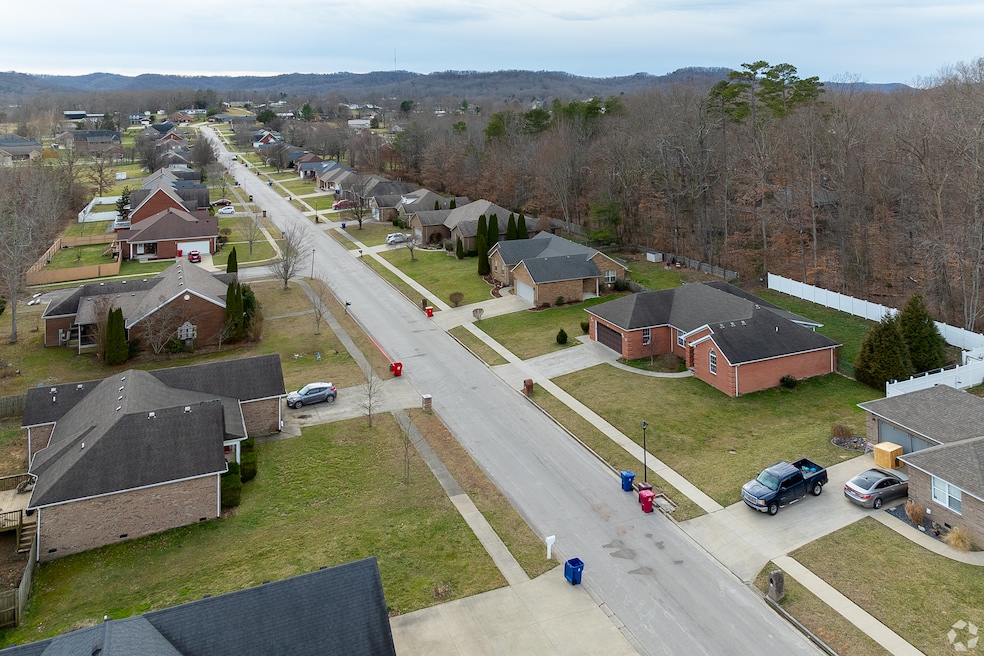
A group of Kentucky legislators has called for changes to building and land use rules, as well as an increase in funding, to help the state meet its housing supply needs.
The Kentucky Housing Task Force stated in a report released last week that state building codes and local laws should be revised to facilitate easier development. The state is trying to close a gap of more than 200,000 homes between what builders are producing and the estimated demand. The largest shortfall is in Jefferson County, which includes the state’s largest city, Louisville, according to a June report by the state-supported Kentucky Housing Corp.
The report’s authors include eight members, each of the state Senate and House of Representatives, who met several times beginning in June. A previous version of the task force met in 2024 but didn’t issue any recommendations. The legislature is scheduled to start its two-month 2026 session on Jan. 6.
The task force’s building code recommendations include making it easier to build houses with two, three, or four units by tweaking the code so they are treated like single-family homes rather than larger apartment buildings. Members also said builders of smaller apartment buildings should be able to install a single stairwell for access. Requirements in many states for two stairwells make it difficult for developers to build on small lots.
Legislators also proposed a two-year moratorium on changes to building or energy codes that increase costs.
“The state should be more circumspect about regulations which drive up costs of home construction, as these regulations may price individuals out of the housing market while providing little benefit,” according to the report.
Group proposes curbs on procedural roadblocks
The task force suggested that the state should limit local governments’ ability to restrict housing on several fronts, including establishing minimum lot sizes and rules governing the distance between houses and property lines, as well as requirements for parking spaces. Cities and counties should also make it easier for religious institutions to build housing on their land, the authors said, and for commercial buildings to be converted into residential use.
“The purported benefits of large lot and setback requirements do not outweigh the benefits that would come from additional space for housing, while representing a significant infringement on individuals’ property rights,” the report said.
There are also too many procedural hurdles builders run into, the task force said. A city should have to make a final decision on whether to issue a permit within a set number of days, members said, or risk it being approved automatically. Alternatively, a city could be obliged to issue a builder a refund. In addition, the report said builders should have assurance that once they apply for a permit, the local government can’t change the rules to make it more difficult to complete the process.
Funds needed for roads and water, not just housing
Kentucky should consider imitating a program in neighboring Indiana that has received more than $100 million since 2023 to help local governments build roads and enhance water and sewer services for new home developments, the report said. The program relies on a revolving loan fund that sustains itself financially as cities and counties repay the money they borrowed.
Legislators could also create a state housing tax credit to match the one available from the federal government for building new housing developments for people with limited incomes, according to the report. Nearby states, Ohio and Virginia, already have their own housing tax credits.
The task force also recommended that the state adjust the fees it collects for its affordable housing trust fund annually to account for inflation. The fund has produced more than 10,000 homes priced at or below 60% of the area median income across the state since 1994, including approximately 6,500 single-family homes, according to the Kentucky Housing Corp.
Another program the report said should be strengthened is the state’s tax credit for rehabilitating historical buildings.
The housing supply shortfall has accumulated over several decades, the task force stated in a summary of its findings, and has contributed to higher home prices and more renters and owners who pay too much for a place to live.
“The housing shortage is a problem in every part of the state, and while it has the greatest impact on low-income Kentuckians, everyone in the state is affected,” the report said.