Why Live in Cheyenne
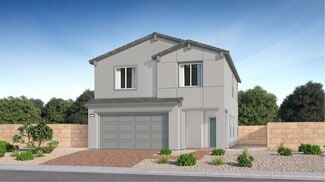
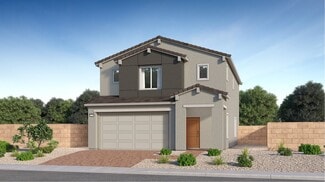
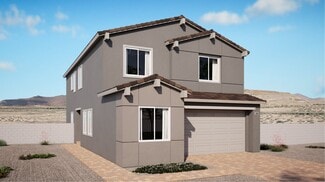
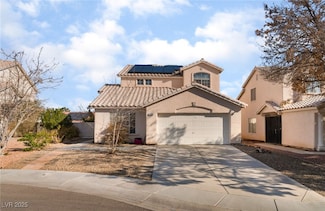
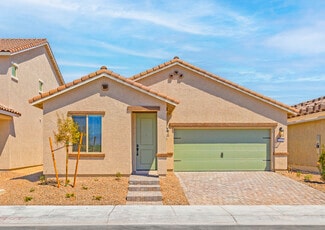
Cheyenne in North Las Vegas features recently built suburban homes, neighborhood parks and convenient connections to the rest of the city. Streets are lined with sidewalks, manicured front yards and attached two-car garages, and most housing consists of spacious Mediterranean Revival homes with stucco exteriors and red-tile roofs built after 1990, with some ongoing construction. Within the community, residents can walk to local green spaces, but a car is usually needed for shopping and dining along Craig Road, where big-box stores, groceries and casual eateries like Casa El Desayuno and Lino’s Pizzeria sit alongside national chains such as Starbucks, Chipotle and Outback Steakhouse. Cheyenne’s recreational features include Nicholas E. Flores Jr. Park, with playgrounds, picnic spots, a splash pad and the Silver Mesa Recreation Center’s pool, gym and indoor courts, as well as Desert Horizons Park’s tennis courts, horseshoe pits and perimeter walking trails. Just to the north, Craig Ranch Regional Park adds a large skate park, community garden, three dog parks and a 10,000-seat amphitheater that hosts farmers markets, movies in the park, cultural festivals and mariachi competitions. The neighborhood sits next to North Las Vegas Airport and west of an industrial area along Interstate 5, and is about 6 miles from Downtown Las Vegas, 15 miles from Harry Reid International Airport and 20 miles from the Spring Mountains, with RTC bus service on major roads and a hospital with an emergency room less than a mile away.
Frequently Asked Questions
Is Cheyenne a good place to live?
Cheyenne is a good place to live. Cheyenne is considered car-dependent and somewhat bikeable with some transit options. Cheyenne is a suburban neighborhood. Cheyenne has 7 parks for recreational activities. It is somewhat dense in population with 8.0 people per acre and a median age of 36. The average household income is $76,071 which is below the national average. College graduates make up 15.4% of residents. A majority of residents in Cheyenne are home owners, with 40.6% of residents renting and 59.4% of residents owning their home. A
local real estate agent serving Cheyenne can help you decide if this neighborhood is the right one for you. Learn more on our
Cheyenne neighborhood guide.
Is Cheyenne, NV a safe neighborhood?
Cheyenne, NV is less safe than the average neighborhood in the United States. It received a crime score of 5 out of 10.
How much do you need to make to afford a house in Cheyenne?
The median home price in Cheyenne is $410,000. If you put a 20% down payment of $82,000 and had a 30-year fixed mortgage with an interest rate of 6.46%, your estimated principal and interest payment would be $2,060 a month plus property taxes, HOA fees, home insurance, PMI, and utilities. Using the 28% rule, you would need to make at least $88K a year to afford the median home price in Cheyenne. Learn how much home you can afford with our
Home Affordability Calculator. The average household income in Cheyenne is $76K.
What are the best public schools in Cheyenne?
The best public schools that serve Cheyenne are:
What are the best private schools in Cheyenne?
The best private schools that serve Cheyenne are:
What are the most popular zip codes in Cheyenne, College Park, NV?
What are the most popular neighborhoods near Cheyenne, College Park, NV?
Home Trends in Cheyenne, NV
On average, homes in Cheyenne, College Park sell after 50 days on the market compared to the national average of 55 days. The median sale price for homes in Cheyenne, College Park over the last 12 months is $400,000, up 1% from the median home sale price over the previous 12 months.
Median Sale Price
$400,000
Median Single Family Sale Price
$415,000
Median Townhouse Sale Price
$343,200
Median 2 Bedroom Sale Price
$179,900
Average Price Per Sq Ft
$250
Number of Homes for Sale
131
Last 12 months Home Sales
509
Median List Price
$410,000
Median Change From 1st List Price
1%
Median Home Sale Price YoY Change
1%