In Seattle’s characteristically wet weather, James Dainard used to knock on doors, hoping someone would answer. The homeowners tended to be in a brighter mood than the forecast.
It was the A&E “Million Dollar Zombie Flips” host’s first job: Knock on doors for eight hours a day to see who might want to sell their home to the company he worked for.
“I figured there’s no better training … for getting to know people and talking to people,” Dainard told Homes.com in an interview. “I made no money that first year. … I had this weird gut feeling that I should stay with the job.”
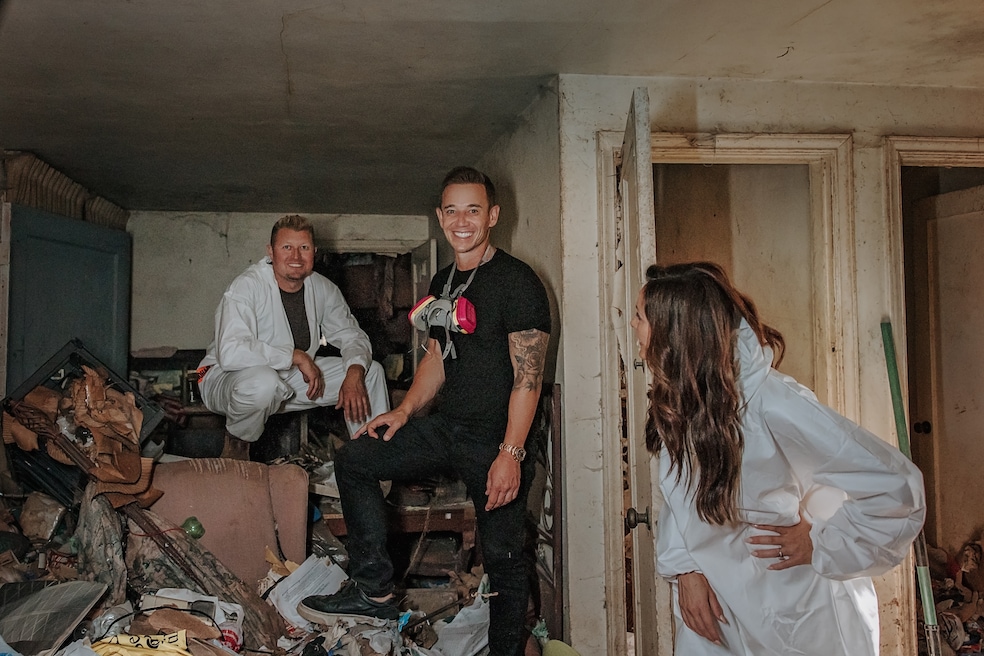
Dainard turned that training into an empire of his own, flipping “zombie” houses — or properties that have slowly deteriorated over years of unkempt maintenance.

“They slowly start rotting away and become not habitable,” he said.
If a homeowner wants to offload their vacant property, maybe one inherited or in a state where they can’t afford to update it themselves, Dainard offers a price higher than they’d make if they outright listed, he said. Once purchased, he invests thousands to make thousands back.
Dainard is renovating 10 homes now as he films for the show’s second season, set to premiere sometime in 2026. He’s also known for his podcast “On the Market”, while he runs a brokerage and financing arm.
He’s been in the game for decades and this is the advice he’d give to an aspiring flipper.
‘Flipper’ can sometimes be taken as a bad word. How do you operate differently from the stereotypical low-quality, quick flippers?
We don't take away inventory from the housing community. We produce it because the ones we buy are not financeable. Homeowners are not going to be purchasing these properties and they're not bankable or financeable.
We’re not working like a hedge fund that buys up properties. I actually love competing with the hedge funds. Every time they come into town, I try to push them right back out the door.
We’re a key piece of the housing economy because we can renovate cheaper, we can pay the homeowner who has a really poor condition home a premium price because we're really creating the profit off controlling our expenses from the renovation well.
When we renovate, because we have our system and material and labor sourcing down, we’re able to do it at a fraction of the cost, which allows a homeowner to buy something turnkey for cheaper than if they did it themselves.
For us, we take everything down to like-new construction. For the market we’re in, quality is very, very important. We monitor the jobsite, take pictures, have the city review it and hire a separate third-party home inspector to come up with a punch list of any items our contractor may have missed.
What makes a good investment property for a new investor?
Flipping is a very high-risk business. For new investors, it's always about not biting off more than you can chew. The older the house, the more issues it has. We have a lot of homes that we renovate that are 100 years old in Seattle. A family 100 years ago lived a lot differently than we live today: The spaces are small, the rooms are small, the mechanicals, the framing are all small.
They require a lot of reconfiguring and the more reconfiguring you do, the harder and more expensive it is.
For a new investor, they really should be looking for what I call base-hit deals. Houses that you can learn on and build the process from. They’re more cosmetic-style houses that need minor layout changes.
Stay away from houses on hillsides or any weird environment because then you have to deal with the government, which makes the process longer. And don’t buy the cheapest house you find. Buy the one that works for you and your skill set.
What was your first flip and how did you transition from there?
This was something I think was one of the most important things for me as a new flipper. I started with a townhouse. I did the flooring myself. I painted the walls myself. I moved the appliances out.
I could put in that sweat equity when I was a young investor. I bought it, sold it, made a little bit of money and then I went to a bigger project that needed a roof and windows and cosmetic updates.
Every house you do, you learn and you can take on a bigger project because the bigger the project, the more profit typically, because it's harder work.
Why not just tear down and build new?
I butt heads with developers all the time. It's usually me or them competing for a house. The features that developers like, like a big backyard to build more units, I like as a flipper because it gives your house novelty.
Especially in Seattle, where density is really tight, selling a home with a big backyard that's beautifully done can get you a premium, and it can make your home stand out and so.
But really, what determines whether it's a teardown or not? For me, I can fix anything.
What are the red flags in a property?
If it doesn't have a foundation, I don't mess with it because it takes too long. There’s a property I passed on recently that was located in an alley next to an apartment building. No one, no family wants to live there and raise their kids.
You design in-house with multiple brokers who know the area and what sells. What makes for a premium-selling design?
We copy the comparables. We come up with our own design, but we come up with it based on data and information. That's one of the most important things for investors is you can't fall in love with your project. This is not your project to love. This is not your home. This is someone else's home.
The reason people won't make money sometimes is they get too caught up and they start spending the money in the wrong spots. We design based on the architectural style of the home as well. If it’s an old craftsman, we’re not ruining the charm with modern finishes. We want to keep the charm.