
The housing market is days away from closing out its third consecutive year of historically low home sales.
Both homebuyers and sellers have been paralyzed by elevated mortgage rates, rising home prices and limited inventory — and while that's created challenges on the consumer side, it's also caused a slowdown for some real estate professionals who typically rely on that activity to fuel their business.
As of May, the National Association of Realtors reported that its membership exceeded 1.45 million, beating expectations and outpacing membership trends during the 2008 financial crisis when home sales similarly declined, driving some professionals out of the market. In other words, there are more real estate professionals in the market even as business opportunities have seemingly been depressed in recent years.
Combined with the rise of artificial intelligence and other technologies that are changing the way buyers and sellers approach the housing market, some have argued it's more important now than ever for real estate agents to have a clearly defined brand to combat the rising challenges. Kim Rittberg says the key to establishing such a brand is video.
"Video is the fastest way to be competitive," she told Homes.com in an interview. "Everybody thinks, 'Oh, everyone's doing video.' They're not."
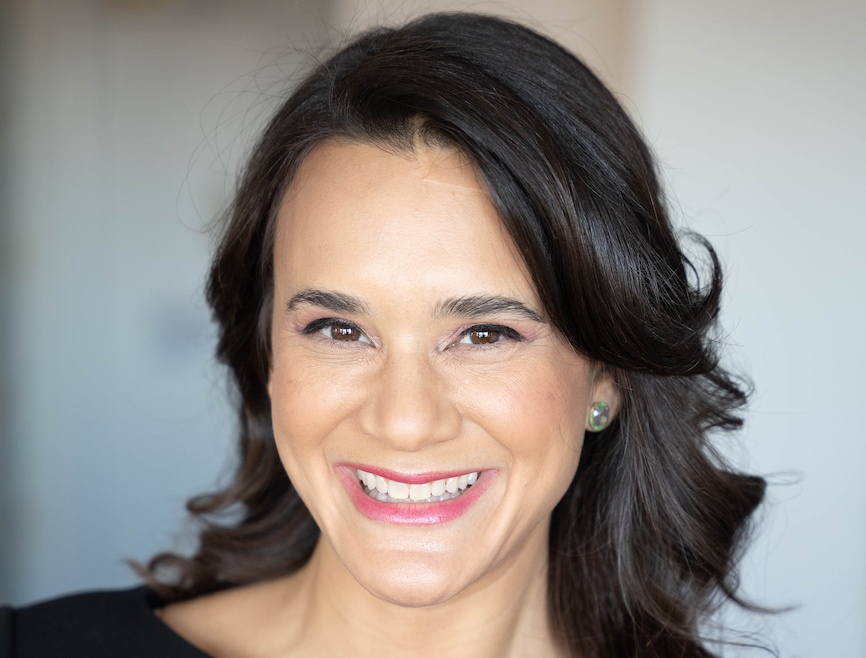
Rittberg, an Emmy Award-winning producer, spent time at Netflix, People and US Weekly before starting her own company as a digital marketing specialist with a knack for video. Somewhere along the way, she began working with real estate agents, helping them grow their businesses by creating videos.
As a coach, she says she has seen client agents earn over $5 million in new business in one year after committing to her video program.
"A lot of agents now basically need to build a content creation machine within their business," she said. "The easiest way to be most competitive now is by leaning into video."
The following interview has been edited for clarity and length.
Almost everyone is on social media. Why is video in particular important? How is it different than just maintaining a casual presence on Instagram, for example?
The humans and the robots like video, so the social media algorithms are going to promote you if you're making video. If you're thinking about an agent with a filtered headshot and two lines of text, and then you're comparing that to an agent who is on video, walking around the neighborhood with their dog and sharing what's happening in the neighborhood, what's going on in the market, you're obviously more connected to that person who's really letting you know them.
What social media platform should agents be most active on to see the benefits of video?
You should be where your clients are. If your clients are on Instagram, you should be on Instagram. And if your clients are not on LinkedIn, don't be on LinkedIn.
For agents who are interested in investing more in their video presence, what's the first step?
It's very hard to make content when you don't know who you're talking to. When a client comes to me, before we even consider hitting record, we get really clear on their brand. One of the things I always teach agents: clarity, in your brand, who you are, who you serve, who you talk to, and clarity of each and every piece of content.
What's the biggest mistake you see agents make in building a video brand?
People wanting to go viral is not a good goal. Similar to how you won't get a six-pack from going to the gym once, going viral once is not going to build your business, not going to build your revenue.
You have to have to build content. You have to have the consistency.