
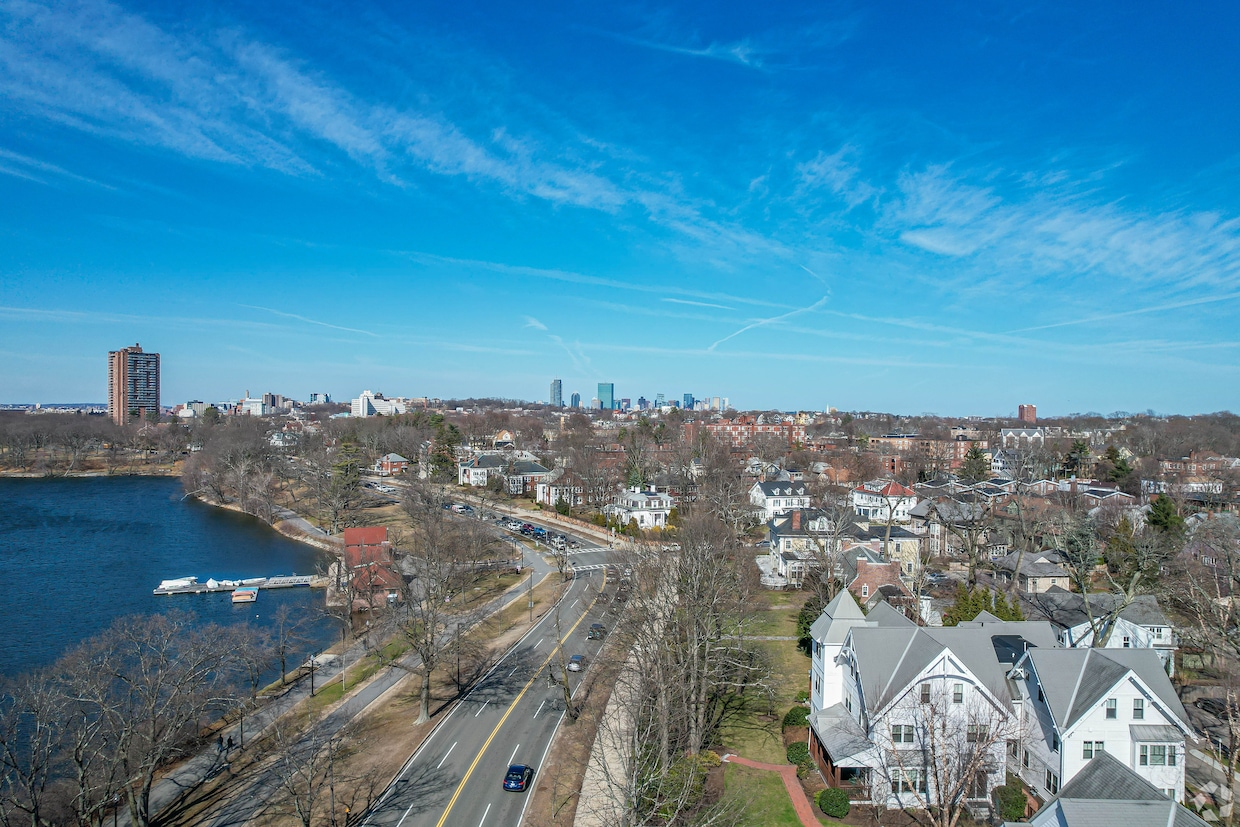
With commercial property tax revenue on a downward slide and residential values skyrocketing, Boston Mayor Michelle Wu would like to tweak the way her city’s taxes are applied to take some of the burden off homeowners.
But members of the Massachusetts Senate, who must approve shifting more of the tax pie to business, appear unwilling to do so for the second straight year. Without legislative action, the average single-family owner in the city will see a 13% property tax increase next year, according to a Boston City Council resolution filed on Wednesday. That’s equivalent to a $780 hike, on top of a more than 10% increase this year.
Like a number of other U.S. cities, Boston’s downtown office market has suffered from lingering effects of the pandemic, with many people working remotely, Wu said in a social media post last weekend. High vacancy rates have driven down commercial tax revenue, and residents have borne more of the burden as a result.
“This spike in residential property taxes comes at the worst time, when so many families are already struggling with rising food and energy costs on top of a housing affordability crisis,” Wu wrote in the post.
The council approved a plan Wednesday that allows for commercial taxes that are 175% greater than the residential tax rate, the highest the state currently allows. A bill Wu supported to raise the tax burden on business beyond this level and then gradually lower it over the next two years is stalled in the Senate, although it has support in the House of Representatives.
No action has been taken on the bill since the House referred it last March to a joint House-Senate revenue committee. Wu urged residents on social media to lobby their senators to pass the bill by January, when the city needs to send out tax bills to homeowners.
The mayor alleged that a single senator, Nick Collins, who represents parts of Boston, blocked a vote on a previous version of the bill last year. Collins could not be immediately reached for comment.
City relies heavily on commercial taxes
Boston needs to take more robust action to offset the long-term impact of declining commercial tax revenue, the nonprofit Boston Policy Institute said in a 2024 report with Tufts University’s Center for State Policy Analysis.
Boston is unusual among large American cities in that more than a third of its tax revenue comes from commercial property, the report said. That leaves the city more vulnerable when real estate values take a turn downward.
The city should ask state legislators to let it implement a sales tax or higher hotel or meals taxes, the report said, or just ask for more direct aid.
“This downturn in commercial real estate was wholly outside the control of Boston policymakers; and any economic distress in Boston could quickly spread across the region,” according to the report.