
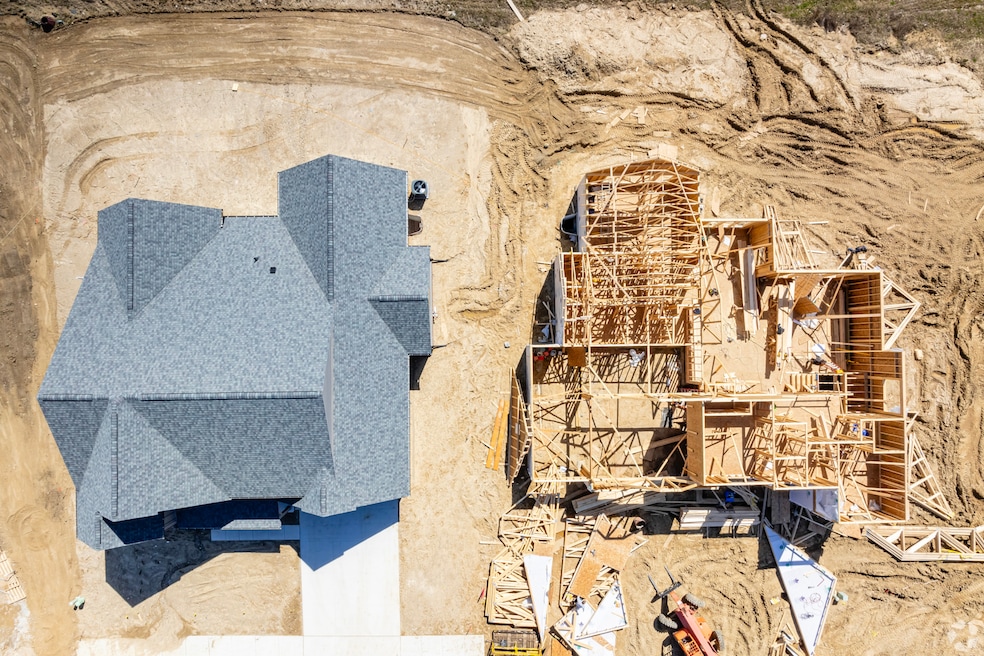
Homebuyers ‘taking much longer’ to decide
KB Home, one of the nation's largest homebuilders, said sales and new orders slowed this year as consumers wrestled with affordability issues and other concerns.
The Los Angeles-based company sold 12,902 homes in the 12 months ended Nov. 30, down 9% from the same period a year earlier. Fourth quarter sales fell by the same amount.
New orders declined 11.4% to 11,596 year over year, while the quarterly drop was 7%. The average selling price also was down, falling 1% annually to $481,400.
CEO Jeffrey Mezger said sagging consumer confidence, affordability woes and elevated interest rates are holding buyers back. Still, the company remains optimistic in the long term, given strong demographics and a nationwide shortage of housing, he said on a conference call to discuss earnings.
"Consumers are demonstrating their interest in buying a home, reflected in our website visits, leads and traffic to our communities," Mezger said on the call. "They're just taking much longer to make their homebuying decisions."
KB is the nation's seventh-largest U.S. homebuilder based on sales last year, according to Builder magazine. The 65-year-old company operates in 49 markets across the country.
Housing costs made up about one-third of consumer spending
We already knew that high inflation pushed up household spending in 2024, but data the U.S. Bureau of Labor Statistics released Friday gives us insight into just how much it rose — and how consumers spent their money.
Last year, annual consumer spending came in at $78,535, while the average income was $104,207, the BLS stated in its 2024 Consumer Expenditures report published Friday. That was up from $77,158 in 2023, when the average income was $101,805.
Consumers spent a sizable chunk on transportation at 17% and food at 12.9%. But they spent the most by far on housing, which came in at 33.4%. That made for a 3.3% increase in 2024, slightly less than the 4.7% increase from 2023. Those increases encompassed spending on owned residences, up 7%, and rented housing, up 5.4%.
Construction unemployment rises in 21 states
Amid a week flush with government data following shutdown-induced delays, an analysis released Friday found that construction unemployment this fall was up from a year earlier.
In September, the seasonally unadjusted construction unemployment rate clocked in at 3.8%, up from 3.7% in September 2024, according to data that the Associated Builders and Contractors analyzed from the U.S. Bureau of Labor Statistics. Noting that BLS didn’t collect October jobs data due to the government’s 43-day fall shutdown, the Washington, D.C.-based trade group homed in on what September’s unemployment picture looked like in individual states, finding that they all had construction unemployment rates below 10%.
Twenty-six states had lower estimated construction unemployment rates than the same time last year, while 21 states had higher ones and three states stayed flat.
| States with lowest estimated rate | States with highest estimated rate |
| Oklahoma (1.4%) | New Jersey (9.4%) |
| Hawaii (1.7%) | Rhode Island (7.5%) |
| New Hampshire (2%) | Connecticut (6.7%) |
| Georgia, Indiana and Tennessee — tie (2.2%) | Minnesota and Montana — tie (5.9%) |
“Higher building materials costs due to tariffs, higher insurance costs and rising labor costs, along with a shortage of skilled construction workers are weighing upon the construction industry,” said Bernard Markstein, president and chief economist of Markstein Advisors, who conducted the analysis for ABC. “On the positive side, a somewhat easier policy stance by the Federal Reserve has resulted in lower interest rates. Further declines in interest rates are likely in 2026.”