
Key takeaways
- Heating, ventilation and air conditioning, or HVAC, systems typically last 15 to 20 years, and a lack of maintenance records or visible neglect could mean costly repairs or replacement soon after purchase.
- Use your senses during a showing: Strange noises, musty smells or uneven temperatures can signal underlying issues with airflow, mold or worn components.
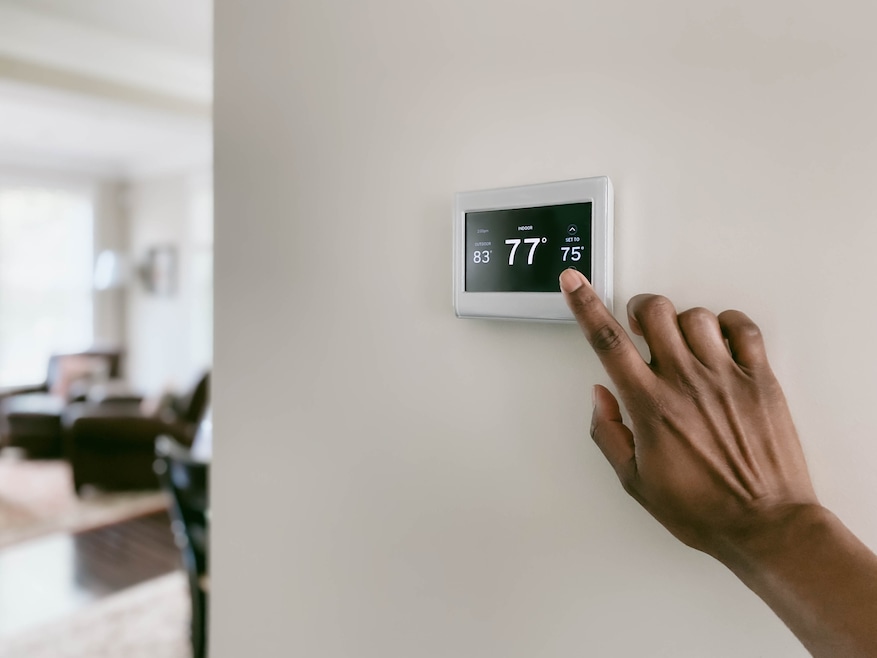
- Don’t be fooled by cosmetic upgrades: A new thermostat or freshly painted unit doesn’t mean the system is new — buyers should verify the system’s true condition or consider a professional inspection before closing.
A home’s heating, ventilation and air conditioning system is critical to comfort — and expensive to replace if it fails. Understanding what to look for can help buyers avoid costly surprises.
Typical replacement costs
Here are average replacement costs of HVAC components as of 2026, according to home services marketplace Angi:
- Central air: $3,900 to $7,900
- Electric furnace: $1,700 to $7,100
- Gas furnace: $3,800 to $10,000
- Oil furnace: $3,800 to $10,000
- Basic heat pump: $4,200 to $7,600
Note: Costs exclude extras such as ductwork, insulation, thermostats or alternative energy systems like geothermal or solar.
What to look for during a home tour
Check the system’s age
HVAC systems typically last 15 to 20 years. Look for a label showing the manufacturing or installation date.
"If it’s nearing the end of its lifespan, you could be looking at having to put thousands of dollars toward a new system in the near future," said Eli Zimmer, director of operations for Luxaire HVAC Services in Baldwin, New York.
Do a visual inspection
Basic maintenance issues can signal bigger problems.
- Dirty filters or dusty vents may indicate neglect.
- Rust, dents, frayed wiring or debris suggest poor upkeep.
- Rodent droppings, nests or chewed materials can point to damage.
"If those items haven't been well maintained, it's very unlikely the system itself has been," said Bert Miskell, owner of BPM Heating, Cooling & Plumbing in Frederick, Maryland.
"Check for signs of neglect, like rust, dents, frayed wiring or excessive dirt and debris around the furnace or outdoor condenser unit," said Joe Slom, general manager of Wolcott Services in Portland, Oregon. "These may indicate that the system hasn’t been well-maintained."
Watch for misleading upgrades
Cosmetic updates can create a false sense of security.
"Rehabbers will often install a new, state-of-the-art thermostat, which gives you the feeling that the HVAC system is new, but it does not mean they even serviced the unit, and it could be time for a much more expensive upgrade," said Jeremy Henley of TheQwikFix in Carlsbad, California.
"About five minutes with a can of gray spray paint can make that old and tired AC unit ... 'look' new again," he added. "Don't let the $8 repair fool you that it's a new system."
Listen and smell for problems
Turn the system on during a showing if possible. Pay close attention to:
- Clanging: Loose or worn components
- Buzzing: Airflow or electrical issues
- Squealing: Broken belt or bad motor bearing
- Screaming: Potential compressor pressure issue (safety risk)
- Musty odors: Mold
- Burnt or dusty smell: System issues
"You may also notice that the seller is really trying to mask those smells with other smells, so a strong scent throughout the house could be indicative of some kind of problem," said Zimmer.
Check for uneven temperatures and air leaks
Inconsistent temperatures may point to airflow issues or an undersized system.
"Air leaks make even the best HVAC system work overtime, so stopping air movement is super important," said Benjamin Uscilla, owner of Evergreen Heating & Cooling in Hamden, Connecticut. "Even some of the best HVAC units cannot fix a leaky or poorly insulated home."
Quick checks buyers can do:
- Look for cracks around windows and exterior walls.
- Feel for drafts near outlets, vents and attic access points.
- Use a simple smoke test to detect leaks (moving smoke indicates airflow).
Ask for maintenance records
Documentation can reveal how well the system has been cared for.
"A decade-old system isn't necessarily a deal breaker, but without maintenance records, it's a total gamble whether you'll get another decade or another month out of it before needing a repair of some kind," said Miskell.
When to consider a professional inspection
An HVAC inspection typically costs about $300, according to Angi, and may include:
- Checking coolant levels and pressure
- Inspecting electrical components
- Examining condenser, fan motor and blades
- Running safety and efficiency tests
Drawbacks can include added cost and potential delays in closing, but a thorough inspection can prevent expensive surprises.
Red flags of poor maintenance
Watch for these warning signs:
- Dusty coils or vents
- Dirty filters
- Lack of maintenance records
- Ice buildup on outdoor units
- Water leaks from indoor components
- Visible damage or debris
- Pest activity
- Blocked or dirty vents
- Damaged or exposed ductwork
Signs a 'new' system may not be new
- A new thermostat doesn’t mean the system was replaced.
- Fresh paint on the unit could be cosmetic.